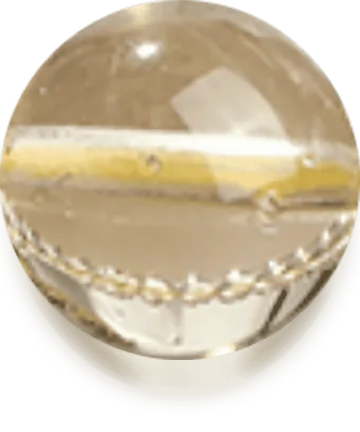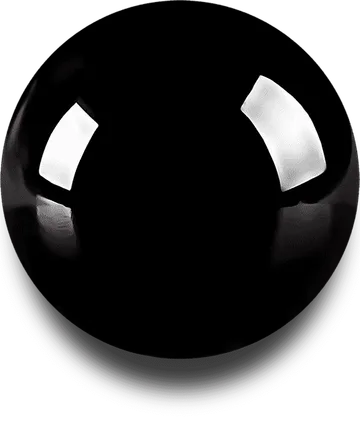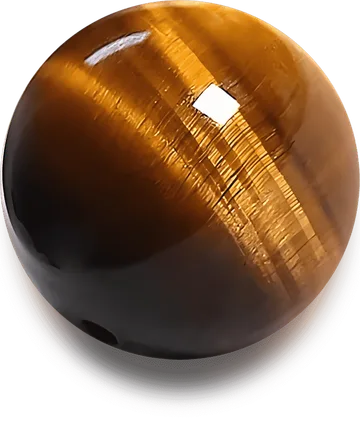
Why does the band seem to move?
The reflected band is called chatoyancy. In tiger’s-eye quartz, its fibrous internal structure creates this directional light effect.
How the material is cut and the viewing angle affect what you see, so judge more than one still photograph when the band is important to your choice.
Material references: GIA — tiger’s-eye quartz
Warm neutrals or blue contrast
Golden tones work with milky white for a softer composition or black for a stronger outline. Blue-toned selections can create a cooler look, but the trade color name alone does not confirm whether color has been treated.
Try repeating the same focal interval around the bracelet instead of collecting all the statement beads on one side.
Buying and wearing a beaded design
Check the polish, drill-hole edges and bead size, then ask about treatment disclosure for the actual selection. Keep a metal watch or bangle from repeatedly striking the beads.
For cleaning, start with a soft cloth and use the gentlest method suitable for every component, not just the tiger’s-eye beads.
Compare selections in the designer
Enter your measured bare-wrist size, open Free design and choose the corresponding material category. Compare diameter, arrangement and accents, then review the price and planning estimate. Catalogue previews do not promise an identical pattern in every physical bead.
Read the wrist-measurement guide · Care for a mixed-material bracelet